Geographies of resistance:
The impact of lithium mining boom in the High Andeans of Argentina
Work in progress - Supported by Art Work Projects
![]()
![]()
There are 33 indigenous communities surrounding Salinas Grandes. Here, communities are resisting the encroachment of lithium mining, which requires substantial water usage in an extremely arid area.
![]()
![]()
"My grandparents have lived on these lands, so their walks, their sorrows and joys have remained here. They are fighting with us to defend all this. I have learned that the hills themselves, the apus, the air, the sun, nature, the plants, they all have a spirit, they all have energy, and all of them will help us. It is also their lives that are in danger.”
Milagros Lamas, 19 years old
![]()
![]()
![]()
![]()
![]()
“These are my roots, this is my home. Our grandparents have fought and many people have died defending these territories. We are here thanks to them, and we are still defending these lands. Now, they are coming again for our natural resources.
That is the history of indigenous peoples, the peoples who have lived in these territories, year after year, generation after generation, with our own way of life, because it is also the way of life that they want to take away from us.”
Erika Cañari, 28 years old, president of Pozo Colorado community
![]()
![]()
![]()
In 2015, communities established a tourist lodge to welcoming visitors attracted by the area's beauty. Today, tourism is an important economic support for the local communities and a means to resist mining. Tourists are educated about the challenges faced by the communities and the impact of mining on natural resources, particularly water.
![]()
![]()
![]()
![]()
![]()
![]()
![]()
![]()
![]()
The impact of lithium mining boom in the High Andeans of Argentina
Work in progress - Supported by Art Work Projects

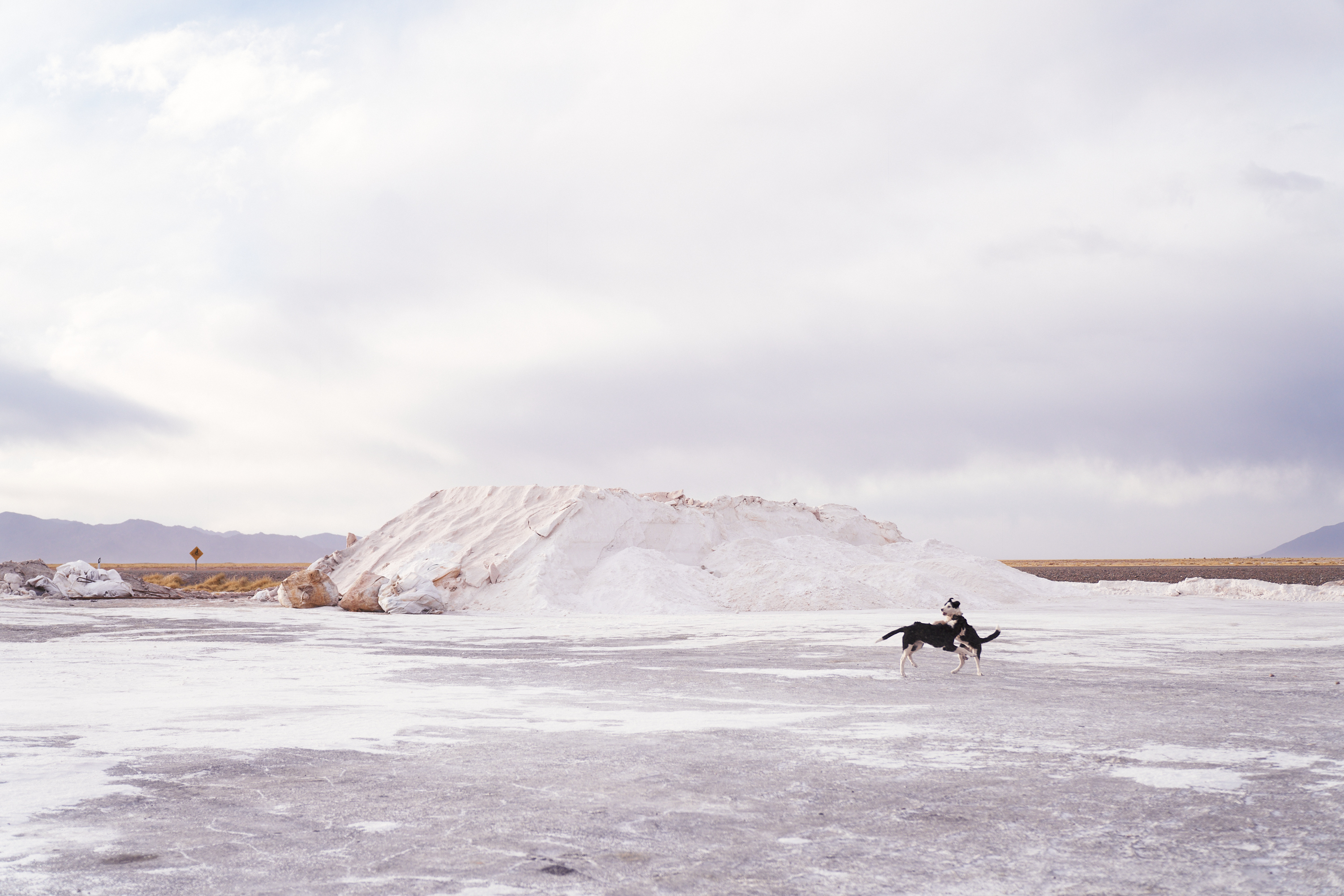
There are 33 indigenous communities surrounding Salinas Grandes. Here, communities are resisting the encroachment of lithium mining, which requires substantial water usage in an extremely arid area.


"My grandparents have lived on these lands, so their walks, their sorrows and joys have remained here. They are fighting with us to defend all this. I have learned that the hills themselves, the apus, the air, the sun, nature, the plants, they all have a spirit, they all have energy, and all of them will help us. It is also their lives that are in danger.”
Milagros Lamas, 19 years old


“These are my roots, this is my home. Our grandparents have fought and many people have died defending these territories. We are here thanks to them, and we are still defending these lands. Now, they are coming again for our natural resources.
That is the history of indigenous peoples, the peoples who have lived in these territories, year after year, generation after generation, with our own way of life, because it is also the way of life that they want to take away from us.”
Erika Cañari, 28 years old, president of Pozo Colorado community


In 2015, communities established a tourist lodge to welcoming visitors attracted by the area's beauty. Today, tourism is an important economic support for the local communities and a means to resist mining. Tourists are educated about the challenges faced by the communities and the impact of mining on natural resources, particularly water.


[spanish]